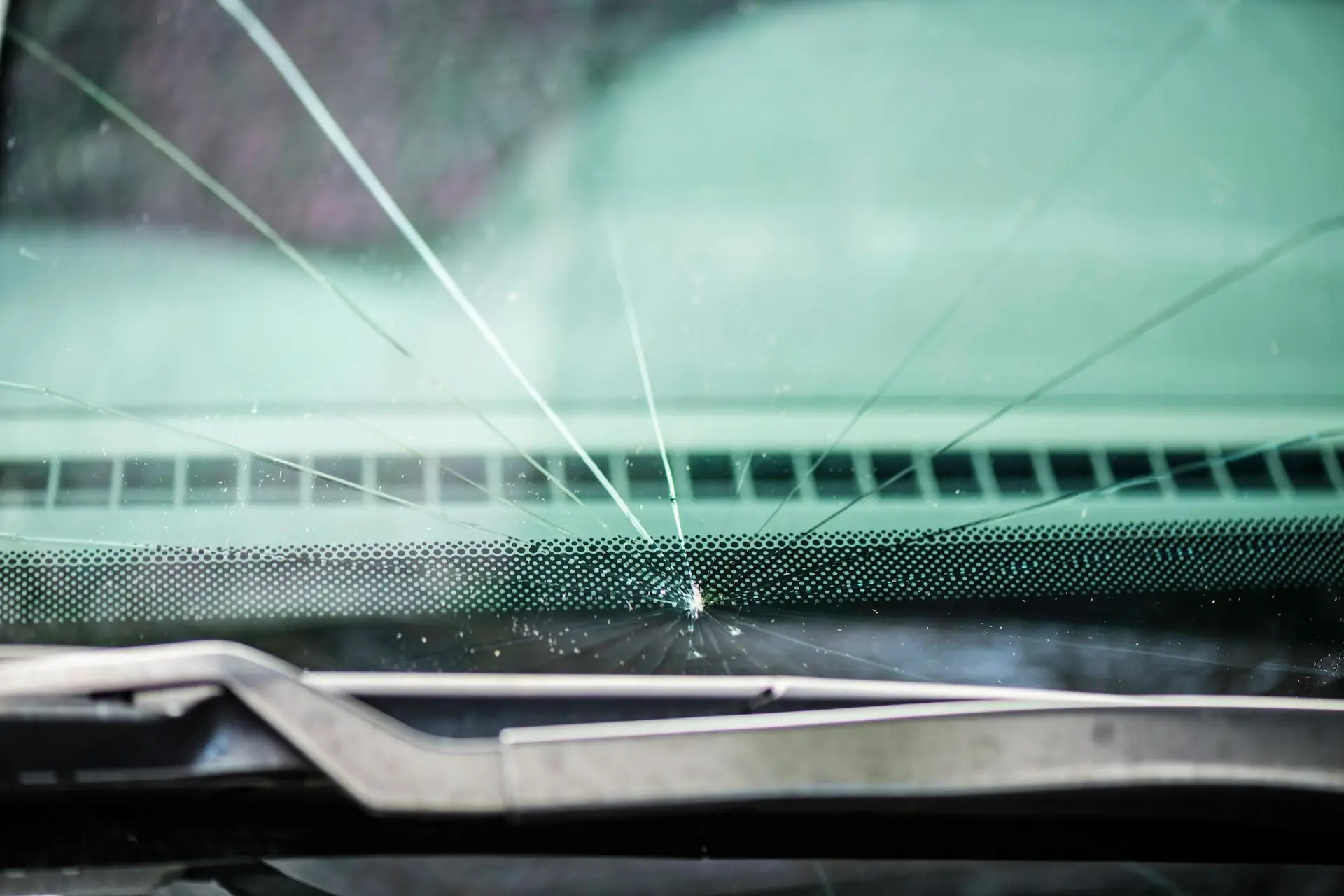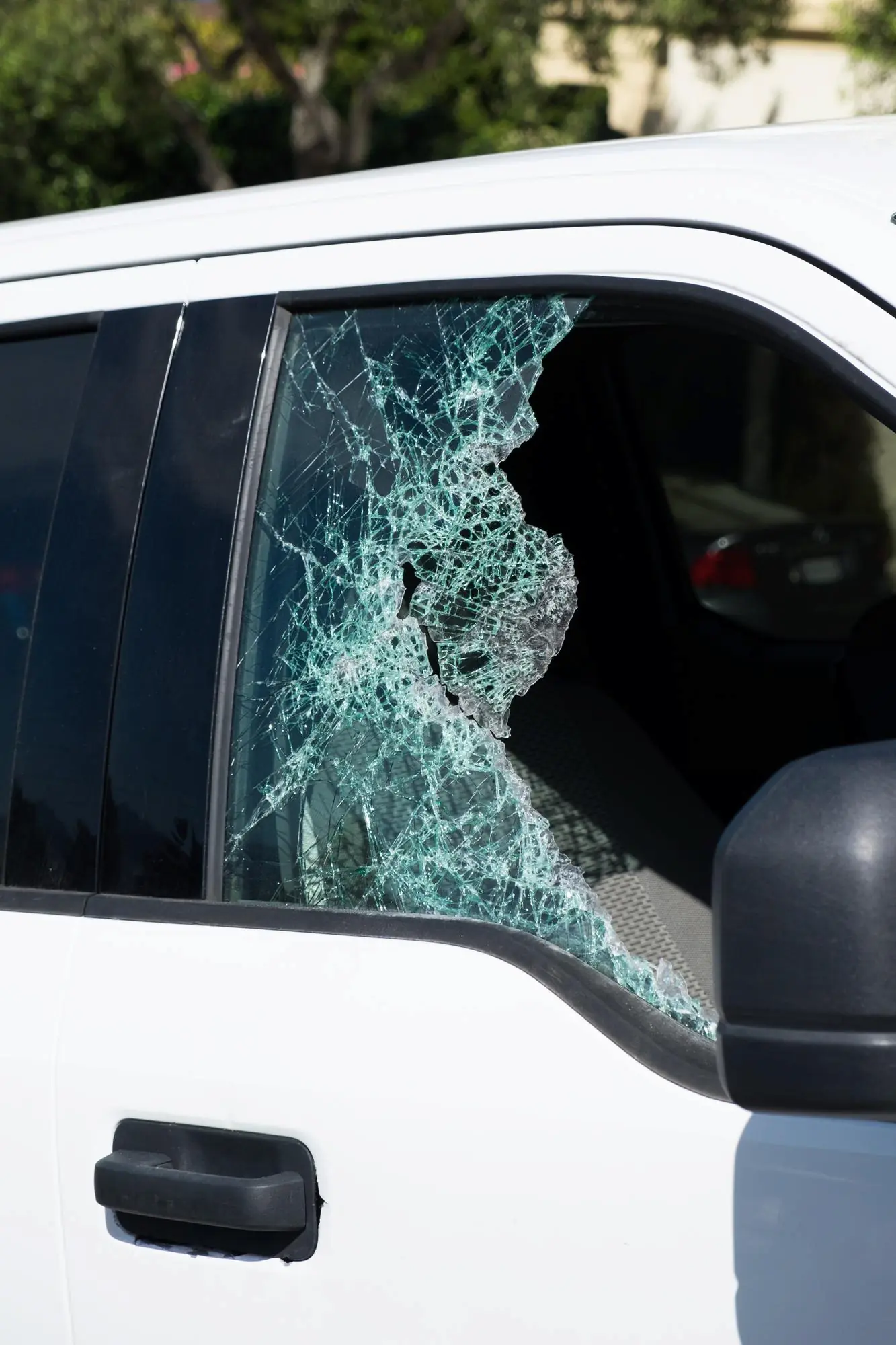
You walk to your car and find shattered glass where your window used to be. Your heart sinks as you realize you’ve joined the thousands of Bay Area drivers who experience vehicle break-ins each year. Whether it’s in San Francisco’s tourist areas, Oakland’s busy streets, or Berkeley’s parking lots, car break-ins are an unfortunate reality for Bay Area residents.
While no prevention method is 100% foolproof, understanding what attracts thieves and taking practical security measures can significantly reduce your risk. Here’s what every Bay Area driver needs to know about preventing car window break-ins.
Understanding Bay Area Break-In Patterns
Car break-ins aren’t random. Thieves target specific areas, vehicles, and situations where they can work quickly with minimal risk of getting caught.
High-Risk Areas Tourist destinations see frequent break-ins because rental cars and out-of-town visitors are easy targets. In San Francisco, areas near the Golden Gate Bridge, Fisherman’s Wharf, and Alamo Square see constant break-in activity. Downtown areas, shopping districts, and transit station parking lots across Oakland, Berkeley, and other East Bay cities also experience high break-in rates.
Time Patterns Most break-ins happen during daylight hours when parking lots and streets are busiest. Thieves blend in with normal foot traffic, making it easy to smash a window and grab items without drawing attention. Evening break-ins also occur in poorly lit areas or during events when many cars are parked for extended periods.
Target Vehicles Thieves look for easy targets, not necessarily expensive cars. They target vehicles with visible valuables, rental car indicators, or signs that owners are tourists or away from the vehicle for extended periods.
What Attracts Thieves to Your Vehicle
Understanding what thieves look for helps you avoid making your vehicle an easy target.
Visible Valuables Anything visible through your windows attracts attention. Laptops, backpacks, purses, shopping bags, phone chargers, GPS devices, and even loose change signal that your car might contain something worth stealing. Even empty shopping bags or a phone mount suggests you might have left valuables in the glove box or center console.
Rental Car Indicators Rental car stickers, barcode tags, or any indication you’re not a local makes you a prime target. Tourists are less likely to report crimes or pursue prosecution, and thieves know tourists often carry valuables and luggage.
Signs You’re Away Parking near hotels, trailheads, or tourist attractions signals you’ll be gone for hours, giving thieves plenty of time to work. Cars parked in the same spot for days suggest owners are traveling, making them attractive targets for more extensive theft.
Unlocked Doors Some thieves check door handles before breaking windows. An unlocked vehicle is a silent invitation, allowing theft without the noise and attention of breaking glass.
Essential Prevention Strategies
Protecting your vehicle requires changing habits and removing temptation.
Remove All Visible Items The single most effective prevention method is removing everything from sight. Don’t just hide items under seats or in the trunk after parking. Thieves watch parking lots and see you moving items. Remove valuables before arriving at your destination, or use your trunk from home.
Truly Empty Your Car Go beyond the obvious. Remove phone chargers, mounts, GPS suction cup marks on windows, shopping bags, and anything that suggests valuables might be hidden somewhere. Even a gym bag or reusable shopping tote can trigger a break-in.
Clean Out Rental Car Indicators If you’re driving a rental, remove or cover any stickers, barcodes, or tags identifying it as a rental vehicle. Keep rental paperwork in your wallet or pocket, not the glove box where thieves know to look.
Park Strategically Choose well-lit, high-traffic areas with natural surveillance. Park near security cameras when possible. Avoid isolated spots, even if they’re closer to your destination. In neighborhoods with frequent break-ins, use parking garages with attendants rather than street parking.
Advanced Security Measures
Beyond basic precautions, additional security layers can deter thieves or help recover stolen items.
Alarm Systems and Visible Deterrents While modern thieves work quickly and often ignore alarms, visible security system stickers and blinking alarm lights can make them choose an easier target. Steering wheel locks, while old-fashioned, provide visible deterrence that signals your vehicle isn’t an easy mark.
Window Tinting Legal window tinting (within California’s limits) makes it harder for thieves to see inside your vehicle, reducing temptation. They can’t target what they can’t see, making tinted windows a worthwhile investment in high-risk areas.
Anti-Theft Window Etching VIN etching on windows won’t prevent break-ins, but it makes stolen items less valuable to thieves because etched glass is harder to resell. Some insurance companies offer discounts for VIN etching.
Tracking Devices for Valuables If you must leave valuable items in your vehicle, consider Bluetooth tracking devices. While they won’t prevent theft, they increase recovery chances and may deter thieves who discover them.
What to Do If Your Window Is Broken
Despite precautions, break-ins still happen. Knowing how to respond minimizes hassle and safety risks.
Assess and Secure Don’t touch anything initially in case police want to check for evidence. Take photos of the damage and missing items. If your window is completely shattered, you’ll need temporary protection from weather and further theft.
Report the Break-In File a police report even if nothing valuable was stolen. Police departments track break-in patterns, and your report contributes to data that influences patrol patterns and prosecution. Get a report number for insurance purposes.
Contact Your Insurance Most comprehensive auto insurance policies cover break-in damage and theft. You’ll pay your deductible, but glass replacement and stolen item replacement (minus depreciation) are usually covered. Some policies offer zero-deductible glass coverage.
Get Emergency Window Service Don’t drive around with a broken window if you can avoid it. It’s unsafe, exposes your interior to weather, and makes your vehicle vulnerable to additional theft. Many mobile glass services offer same-day emergency service for break-ins, securing your vehicle quickly while you arrange full replacement.
Neighborhood-Specific Advice
Different Bay Area neighborhoods have unique break-in patterns requiring tailored approaches.
San Francisco Tourist areas see constant break-in activity. Never leave anything visible, even for a few minutes. Consider using paid parking garages with attendants near major attractions rather than street parking. Remove rental car indicators completely.
Oakland Break-ins occur throughout the city but concentrate near Lake Merritt, Temescal, Rockridge, and downtown areas. Don’t leave items visible even in “safe” neighborhoods. Use garage parking when available, especially overnight.
Berkeley Campus areas and shopping districts see frequent break-ins, particularly along Telegraph Avenue and near UC Berkeley. Students should never leave backpacks or laptops visible. Use campus parking structures with permit requirements when possible.
Other East Bay Cities Alameda, San Leandro, Hayward, and Fremont see lower but still significant break-in rates, often concentrated near BART stations, shopping centers, and busy commercial areas. Don’t assume quieter cities are safe from break-ins.
The Reality of Bay Area Break-Ins
Understanding the broader context helps set realistic expectations.
Prosecution Challenges Most break-in thieves are never caught, and even when arrested, prosecution for property crimes can be minimal. This reality frustrates victims but makes prevention even more critical since you can’t rely on deterrence through punishment.
Quick Operations Professional thieves break windows and grab items in under 30 seconds. Don’t assume a quick errand means your car is safe. If valuables are visible, your window can be broken in the time it takes you to walk into a store.
Insurance Realities While comprehensive coverage helps, you’ll still pay your deductible, lose time dealing with repairs, and potentially lose irreplaceable items like family photos or sentimental objects. Prevention is always better than insurance claims.
Conclusion
Car window break-ins are frustrating, violating, and expensive, but Bay Area drivers who take prevention seriously can significantly reduce their risk. The most important step is simple: remove everything from sight, every time you park, before you arrive at your destination.
Combine this basic rule with strategic parking, security measures, and awareness of high-risk areas, and you’ll make your vehicle far less attractive to thieves looking for easy targets.
If you do experience a break-in, Glass Monkey Auto Glass Service provides fast mobile window replacement throughout the Bay Area, often with same-day service to secure your vehicle and get you back on the road safely.