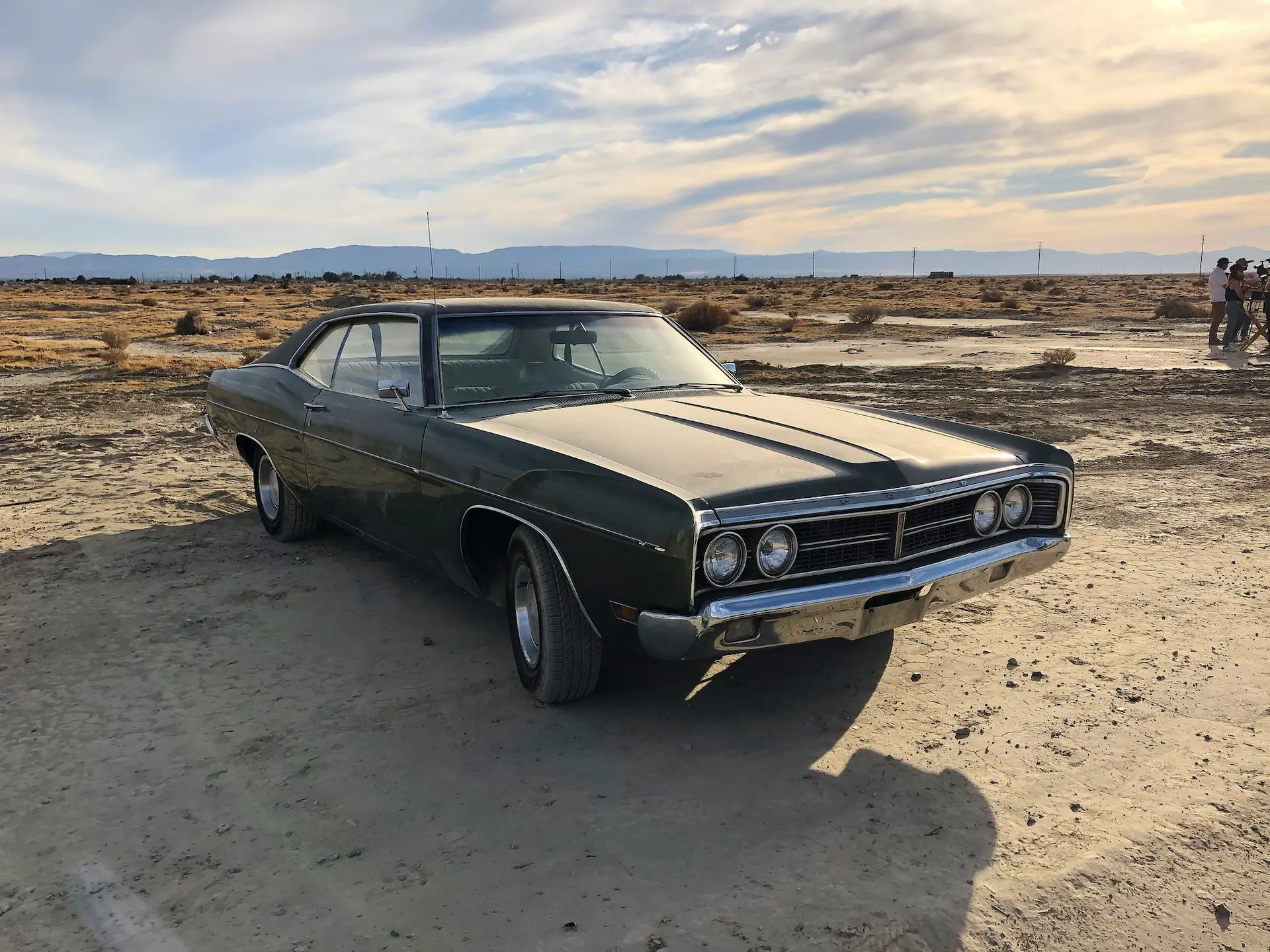
You’re restoring a 1967 Mustang, a 1972 Chevy pickup, or a vintage VW bus, and you’ve reached the glass. Unlike modern vehicles where replacement glass is readily available, finding the right glass for classic cars requires patience, knowledge, and connections to specialized suppliers. For Bay Area classic car enthusiasts working on restoration projects, understanding your options for vintage auto glass makes the difference between an authentic restoration and a compromised project.
Whether you’re completing a frame-off restoration for car shows or simply maintaining a cherished classic daily driver, here’s what you need to know about classic car glass restoration.
The Challenge of Classic Car Glass
Classic vehicle glass presents unique challenges that don’t exist with modern vehicles.
Discontinued Production Most classic car glass stopped being manufactured decades ago. Original equipment manufacturers no longer produce windshields, side windows, or back glass for vehicles from the 1980s and earlier, making sourcing difficult.
Unique Specifications Classic cars have glass specifications that differ from modern standards. Curvature, thickness, tinting, edge treatments, and mounting methods vary significantly across eras and manufacturers. A windshield from a similar model year might not fit your specific vehicle.
Multiple Variations Even within a single model year, different trim levels, body styles, and production dates can have different glass specifications. A 1965 Mustang coupe has different glass than a 1965 Mustang fastback, and early production differs from late production.
Regulatory Changes Modern safety glass requirements differ from vintage standards. Some classic vehicles used glass that wouldn’t meet current DOT standards, creating questions about legal replacement options.
Original Equipment vs. Reproduction Glass
Understanding your glass options helps you make informed decisions for your restoration.
Original Equipment (OE) Glass Original glass from vintage production or new old stock offers authenticity prized by serious collectors and concours enthusiasts. Benefits include exact specifications, correct markings, period-correct tinting, and originality for show judging. Drawbacks include extreme rarity, high cost, potential age-related degradation, and difficulty finding undamaged examples.
Reproduction Glass Modern manufacturers produce reproduction glass for popular classic cars. Benefits include availability for common classics, brand new condition with no age-related issues, modern manufacturing quality, and typically lower cost than original equipment. Drawbacks include less authenticity for serious restorations, potential minor specification differences, and modern markings instead of period-correct stamps.
Used Original Glass Salvage glass from donor vehicles offers a middle ground. Benefits include authenticity with original specifications and lower cost than new old stock. Drawbacks include potential damage, scratches, or pitting, uncertain remaining life, and difficulty finding quality examples.
Sourcing Classic Car Glass
Finding the right glass for your classic requires knowing where to look.
Specialty Glass Suppliers Several companies specialize in classic car glass, maintaining inventories of reproduction glass for popular models and connections to rare original equipment. They understand classic car specifications and can verify correct fitment.
Classic Car Parts Suppliers Major classic car parts retailers stock glass for popular makes like Mustangs, Camaros, Corvettes, and classic trucks. Selection decreases for less common vehicles.
Salvage Yards and Swap Meets Specialty salvage yards that focus on classic vehicles can be gold mines for original glass. Swap meets and car shows connect you with vendors who specialize in specific makes or eras.
Online Marketplaces and Forums eBay, classic car forums, and Facebook groups dedicated to specific makes often have members selling parts, including glass. Exercise caution with shipping fragile glass long distances.
Custom Fabrication For truly rare vehicles where no reproduction exists and original glass is unavailable, some specialty shops can fabricate custom glass from flat stock. This is expensive but may be the only option for certain vehicles.
Evaluating Glass Quality
Whether buying original or reproduction glass, knowing what to look for protects your investment.
Optical Clarity Check for distortion by looking through the glass at straight lines. Waves, ripples, or distortion affect visibility and safety. Minor distortion may be acceptable for side or rear glass but not windshields.
Physical Condition Inspect for chips, cracks, deep scratches, and edge damage. Surface scratches can sometimes be polished, but edge damage compromises structural integrity. Check for delamination in laminated glass (windshields), which appears as clouding or separation between layers.
Correct Specifications Verify the glass matches your vehicle’s specific year, model, and body style. Check dimensions, curvature, mounting holes, and any trim or molding channels. Incorrect glass won’t seal properly and can look obviously wrong.
Markings and Dates Original glass typically has manufacturer markings, date codes, and safety certifications. For concours restorations, correct markings matter. Reproduction glass often has modern markings that purists notice.
Installation Considerations for Classic Cars
Installing classic car glass differs from modern vehicles and requires specialized knowledge.
Rubber Gasket Systems Many classic cars use rubber gaskets rather than adhesive to mount glass. Installation requires specific techniques including using rope methods to seat glass in channels, careful trimming of gaskets, and ensuring proper compression for weather sealing.
Chrome Trim and Clips Classic vehicles often feature chrome or stainless trim around glass. Installing trim clips, setting trim properly, and avoiding scratching chrome during installation requires care and experience.
Weatherstripping Replacement When replacing glass, inspect and typically replace weatherstripping and seals. Original weatherstripping is often unavailable, requiring reproduction alternatives that may fit differently.
Period-Correct Adhesives If your classic car originally used adhesive-mounted glass, using modern urethane adhesives may be acceptable for drivers but unacceptable for judged show cars. Research correct installation methods for your vehicle and restoration goals.
Windshield-Specific Challenges
Windshields present the most critical glass restoration challenges.
Safety Considerations Windshields provide structural support and protect occupants in collisions and rollovers. Using incorrect windshield glass or improper installation compromises safety significantly, even in classic vehicles.
Curvature Complexity Classic car windshields range from completely flat on early vehicles to moderately curved on 1950s-1970s vehicles. Matching the correct curvature is essential for proper fit, appearance, and structural integrity.
Tinting and Shading Some classic windshields feature tinted bands or gradual shading. Reproduction glass may not match original tinting exactly, which purists notice immediately.
Defroster Grids and Antennas Later classic cars may have embedded defroster grids or radio antennas. Ensuring these features work after replacement requires proper electrical connections during installation.
Side and Rear Glass Considerations
While less critical than windshields, side and rear glass still require careful attention.
Vent Windows Many classic cars feature small vent windows (wing windows) that open separately from main door glass. These are often difficult to find and require precise installation to operate smoothly and seal properly.
Quarter Glass Fixed quarter windows on two-door and fastback vehicles need exact fitment. Even small gaps result in wind noise and water leaks.
Back Glass Rear windshields on classic cars, especially curved back glass on fastbacks and wagons, can be particularly rare and expensive. Some classics are known for back glass availability problems.
Cost Considerations
Understanding classic car glass costs helps with restoration budgeting.
Glass Prices Windshields for common classics like Mustangs and Camaros range from $200 to $600 for reproduction glass. Rare vehicles or original equipment can cost $1,000 to $3,000 or more. Side and rear glass is typically less expensive but still costs more than modern vehicle glass.
Installation Labor Classic car glass installation requires more time and specialized knowledge than modern vehicles. Expect to pay premium labor rates or invest significant DIY time learning proper techniques.
Related Parts Budget for new weatherstripping, gaskets, trim clips, and molding. These related parts often cost as much as the glass itself but are essential for proper installation.
Trial and Error First-time installations often involve some trial and error, especially with rubber gasket systems. Having extra gaskets or weatherstripping available saves frustration.
DIY vs. Professional Installation
Deciding whether to install classic car glass yourself depends on several factors.
When DIY Makes Sense If you have mechanical skills, patience, and time, installing side or rear glass with rubber gaskets can be a satisfying DIY project. Resources including classic car forums, YouTube tutorials, and club members provide guidance. Practice on less visible glass before attempting windshields.
When to Hire Professionals Windshield installation, especially on rare or expensive classics, justifies professional installation. Experienced technicians have the tools, techniques, and insurance to handle irreplaceable glass. Complex installations with chrome trim, adhesive mounting, or problematic fitment also benefit from professional expertise.
Finding Qualified Installers Not all auto glass technicians have classic car experience. Seek installers who specifically mention classic vehicle expertise, get references from local car clubs, and discuss their experience with your specific make and model before committing.
Maintaining Classic Car Glass
Once installed, proper maintenance protects your investment.
Cleaning Techniques Use glass cleaners without ammonia on tinted or coated glass. Microfiber cloths prevent scratching. For original glass with patina, avoid aggressive cleaning that removes age-appropriate character.
Protection from Elements Garage parking protects glass from UV damage, temperature extremes, and weather. Car covers provide additional protection but ensure they don’t scratch glass when applying or removing.
Regular Inspection Check gaskets and seals regularly for deterioration. Catching weatherstripping problems early prevents water leaks that damage interiors. Inspect glass for new chips or cracks that could spread.
Addressing Issues Promptly Unlike modern daily drivers, classic cars often sit for extended periods. Small chips can spread from temperature cycles even without driving. Address problems promptly before they become major issues.
Conclusion
Restoring or replacing glass on classic cars requires more research, patience, and expertise than working on modern vehicles, but the results are worth the effort. Whether you’re pursuing a concours-quality restoration with original equipment glass or simply maintaining a classic daily driver with quality reproductions, understanding your options and working with experienced professionals ensures your classic car looks right and stays safe.
For Bay Area classic car enthusiasts, finding installers who understand vintage vehicles and have access to specialized glass suppliers makes the difference between a frustrating experience and a successful restoration. Take time to source correct glass, plan installation carefully, and don’t compromise on quality for vehicles that represent automotive history.
Glass Monkey Auto Glass Service specializes in classic car glass throughout the Bay Area, with industry connections to source hard-to-find vintage glass and expertise in period-correct installation techniques.